

Explore our blog
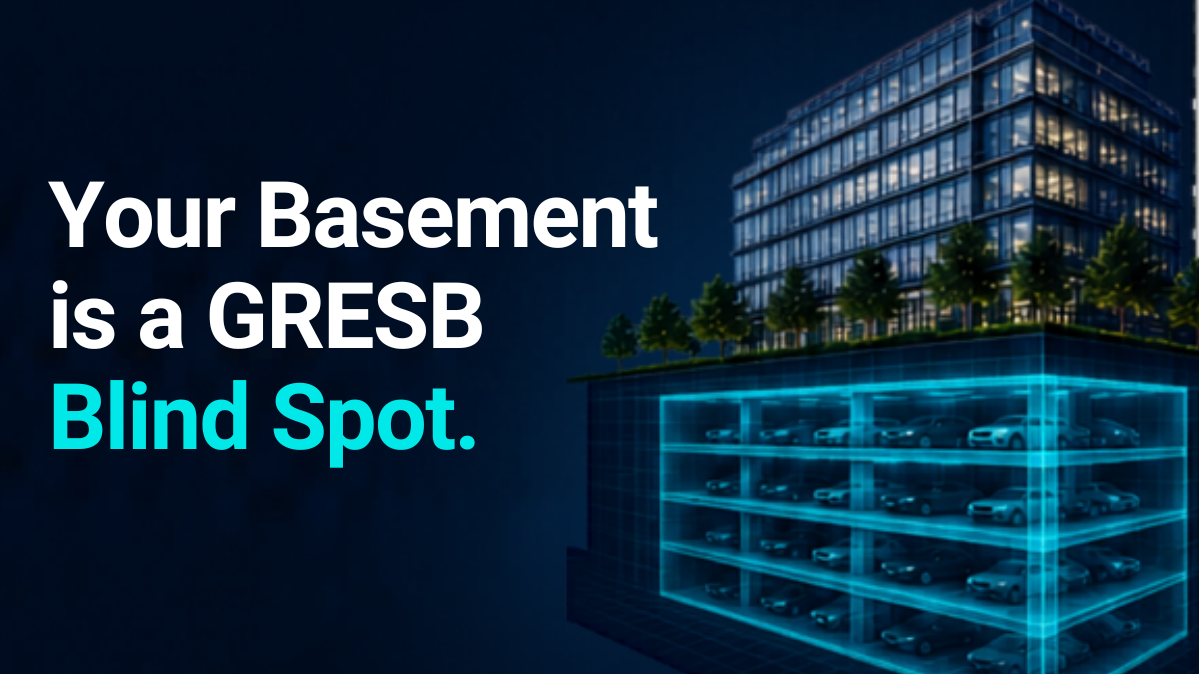
Your GRESB submission is missing 70% of your building - and How to Fix It.
Commercial buildings account for 34% of global CO₂ emissions. Most GRESB submissions ignore underground parking entirely, because they don’t have access to real-time operational data.
But with the right technology. underground parking infrastructure is one of the most measurable, most addressable, and most consistently overlooked opportunities to improve GRESB performance.
Parking Spotz founder Angelique Mentis explains how smart parking management in basements drives net zero goals and improves GRESB scores across 7 key aspects. Here is exactly why — and what you can do about it.

The Smart Building Blind Spot
Walk into any modern building control room and you will see dashboards tracking energy usage, HVAC performance, occupancy levels and security events in real time. Everything measured. Everything optimised.
Or so it seems.
Because one or two levels below that control room sits one of the most heavily used parts of the asset, operating almost entirely blind: the car park.
Facilities and building managers are under growing pressure to demonstrate asset performance, improve tenant experience and reduce operational friction. Real-time parking data is the missing input in that equation — and the infrastructure to capture it now exists.
Smart EV Charging Management
Across Australia and globally, drivers are switching to electric vehicles faster than ever before.
But the moment someone decides to buy an EV, a new set of questions replaces the old ones at the petrol pump.
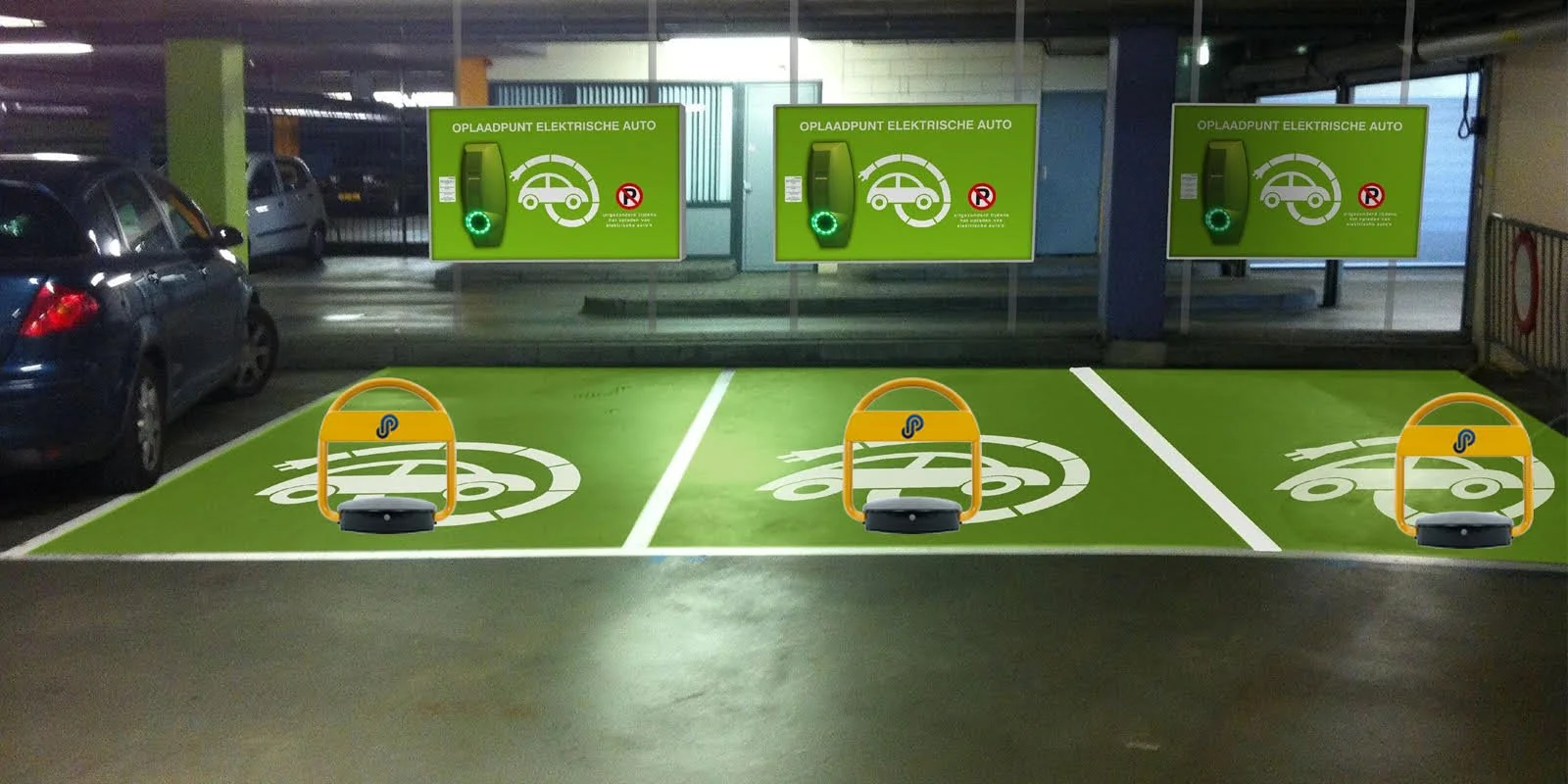
Where do I charge my EV? Will an EV charging bay be free when I need it? What if someone blocks my EV charging spot? And how do charge my EV in a residential apartment building with shared parking? Parking Spotz solves this by combining physical access control with automated EV charging rules, ensuring EV bays work as intended.
Glow in the Dark Roads: Smart Infrastructure for Mobility and Parking
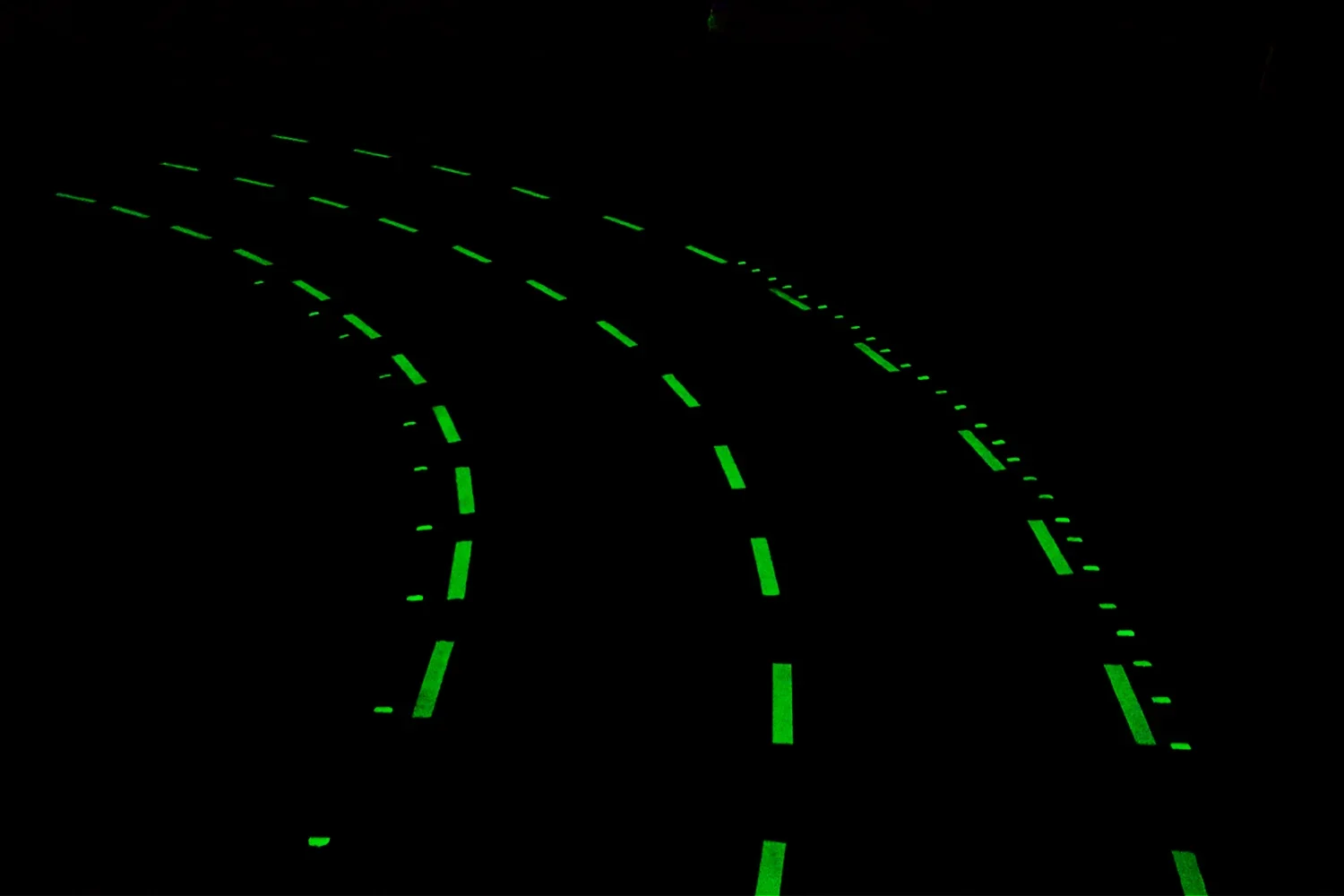
Australia is trialling glow-in-the-dark road lines on dark, winding roads — with early trials reporting a 67% reduction in night-time near-miss incidents.
But the real lesson goes beyond glowing paint.
It’s about human-centred infrastructure — designing roads and smart parking systems that make environments easier for people to read and navigate.
Enhancing driver experience - both on the roads and when parking underground.

Why Smart Parking IoT Solutions Start Underground
Smart parking IoT solutions are becoming essential to smart city strategy, yet most conversations about smart cities still focus on what we can see.
However, cities do not operate at or above street level alone. The next phase of smart cities will depend on something less visible.
Connected underground infrastructure.
What do smart parking IoT solutions look like underground?
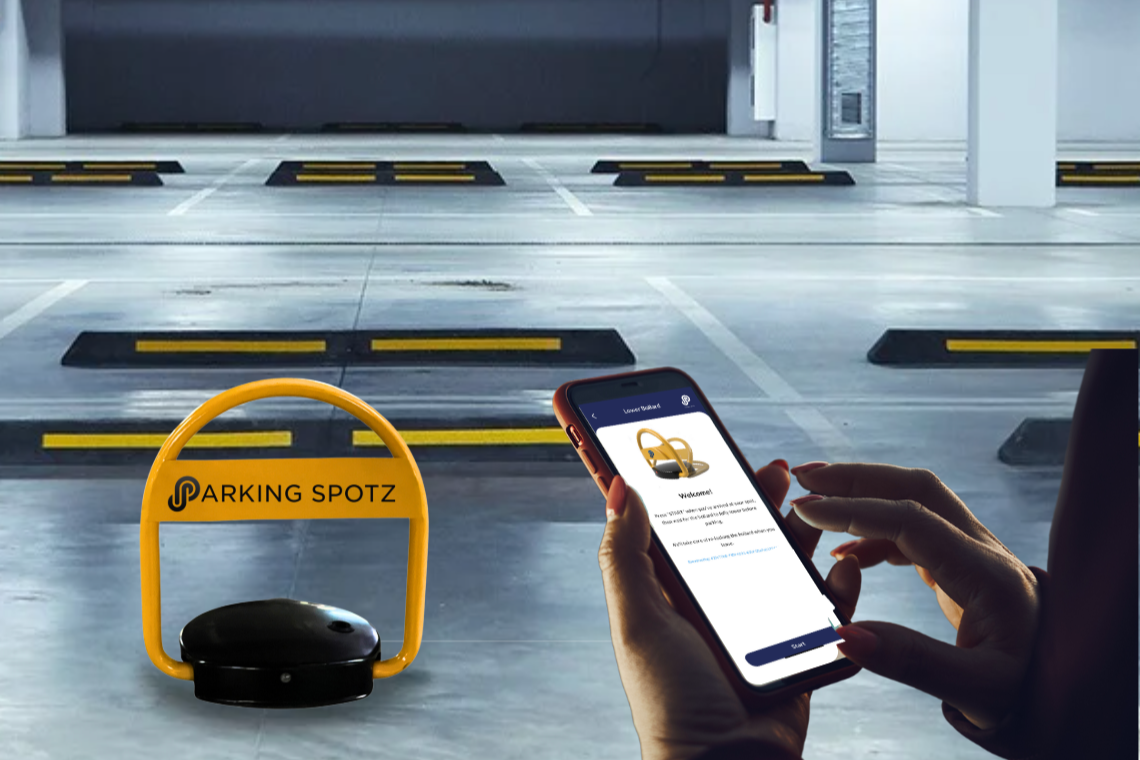
Smart parking first: The best buildings start with getting the basement right.
In most buildings, parking is treated as a secondary consideration — something resolved early in the design phase and rarely revisited. Parking spots are allocated, signage is installed, and the basement is effectively “set and forgotten.”
Learn how to enhance visitor parking experience, increase property return on investment and asset value using smart parking solutions. Article featured in Build Australia.
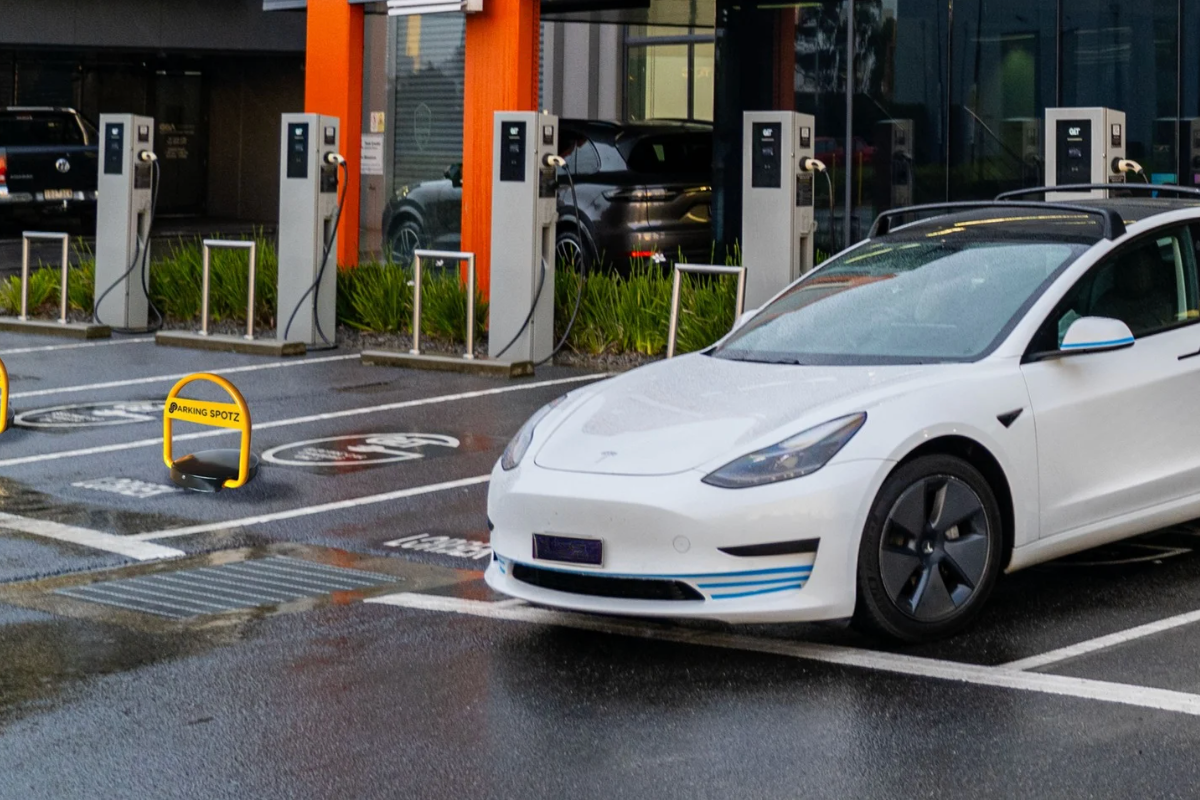
Smarter EV Charging for Car Parks
EV charging is a necessary end of trip facility with the increasing growth in EV adoption. Certainty of EV charging availability when and where you need it is highly relevant. Learn how you can stop ICEing and hogging of EV charging bays as well as enable EV drivers to securely reserve their EV charging bays for when they need them the Parking Spotz system.