Glow in the Dark Roads: Smart Infrastructure for Mobility and Parking
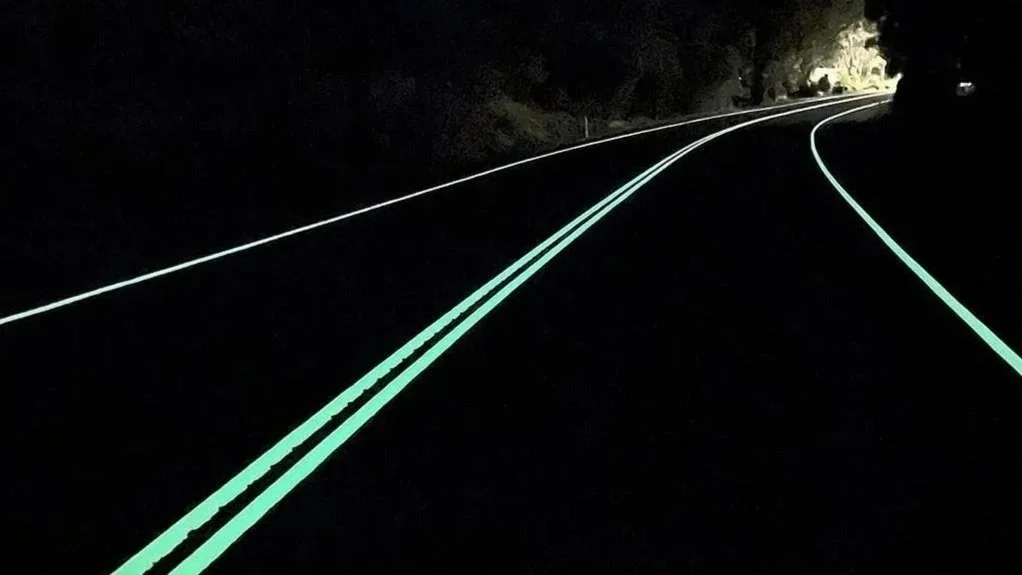
Glow in the dark road paint saves lives and reduces driver cognitive load.
Glow-in-the-dark isn’t just for New Year’s Eve or Halloween.
Australia has been trialling something rather clever. Glow-in-the-dark road lines designed to reduce night time accidents on dark, winding roads.
Yes. The road literally glows.
One of these trials is taking place on Bulli Pass in New South Wales. A steep, winding mountain road south of Sydney, which if you have driven it, will know it’s renowned for its tight curves and limited night lighting.
Early results have been impressive.
A 67% reduction in night-time near-miss incidents.
Not bad for a line of paint.
But the real story here isn’t just about glowing roads. It’s about a deeper principle in infrastructure design - how environments communicate with the humans using them.
Human centric design.
The Science Behind Glow-in-the-Dark Road Paint
The road markings use photoluminescent pigments, typically minerals such as strontium aluminate.
During the day, the material absorbs sunlight and stores that energy. After dark, the stored energy is gradually released through phosphorescence, creating a visible glow that can last six to ten hours after charging in daylight.
In effect, the road markings behave like tiny solar-charged light batteries embedded in the paint.
The result is a simple but effective improvement in night-time visibility. Drivers regain the visual cues they rely on to interpret the road ahead - edges, curves and lane position.
Australia isn’t the only place exploring the idea.
Europe and Japan are also trailling glowing road markings as part of broader smart infrastructure initiatives aimed at improving safety without installing additional lighting or power infrastructure.

The Real Insight: Human-Readable Infrastructure
What makes glow-roads interesting isn’t just the technology.
It’s the way the solution is designed around how humans actually navigate environments.
Drivers don’t read roads the way engineers design them.
They rely on visual signals — contrast, edges, lane markings and curves.
At night many of those cues disappear.
Glow markings restore them, making the road easier to interpret instantly.
This highlights an important principle in infrastructure design:
The most effective systems are the ones humans can understand immediately.
The Deeper Principle: Reducing Cognitive Load
Glow-roads work because they reduce something behavioural scientists call cognitive load.
Driving at night demands more mental effort. Visibility is reduced, contrast is lower, and reaction times are slower. When road cues become harder to interpret, the brain has to work harder to understand the environment.
Glow lines remove that friction.
Drivers don’t need to analyse the road — they simply follow the illuminated path.
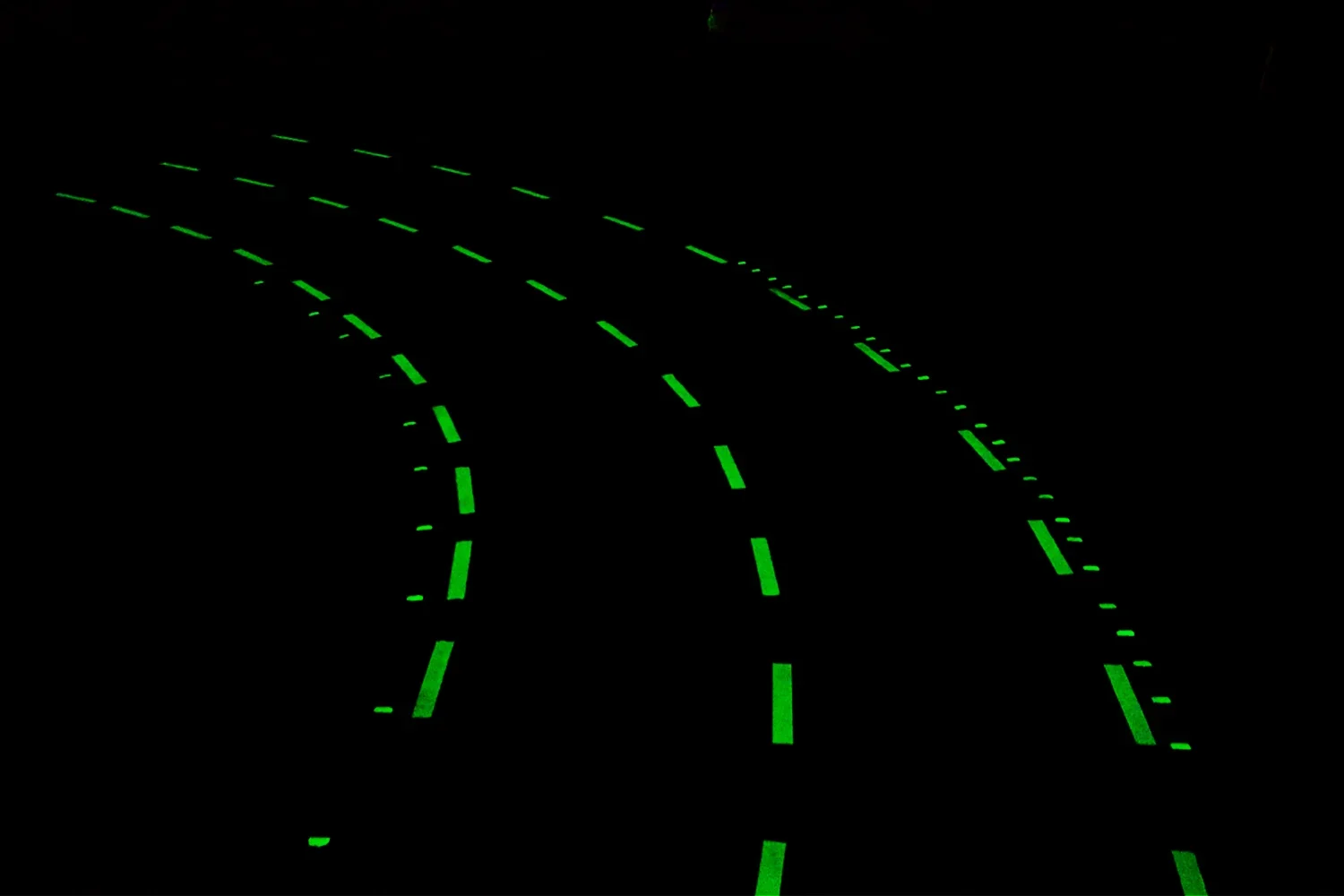
Glow in the dark roads reduce driver cognitive load. Just like smart parkig.
The Same Challenge exists in Parking
Interestingly, the same problem exists in parking environments.
Drivers often enter car parks with very little information about what is actually happening around them. They’re asking themselves multiple questions in quick succession: Is there a space available? Is the bay reserved? Is someone returning to their car?
Without clear signals, drivers rely on guesswork.
The result is familiar to anyone who has navigated a busy car park: circling, hesitation, congestion and occasional conflict between drivers.
Parking environments, particularly underground basements, can be some of the most cognitively demanding spaces in urban mobility. Mobile connectivity is often unreliable, Wi-Fi is inconsistent and visual navigation cues can be limited.
Reducing cognitive load in these environments becomes critical for both safety and user experience.
Smart Parking Solves the Same Problem
This is where smart parking technology plays an important role.
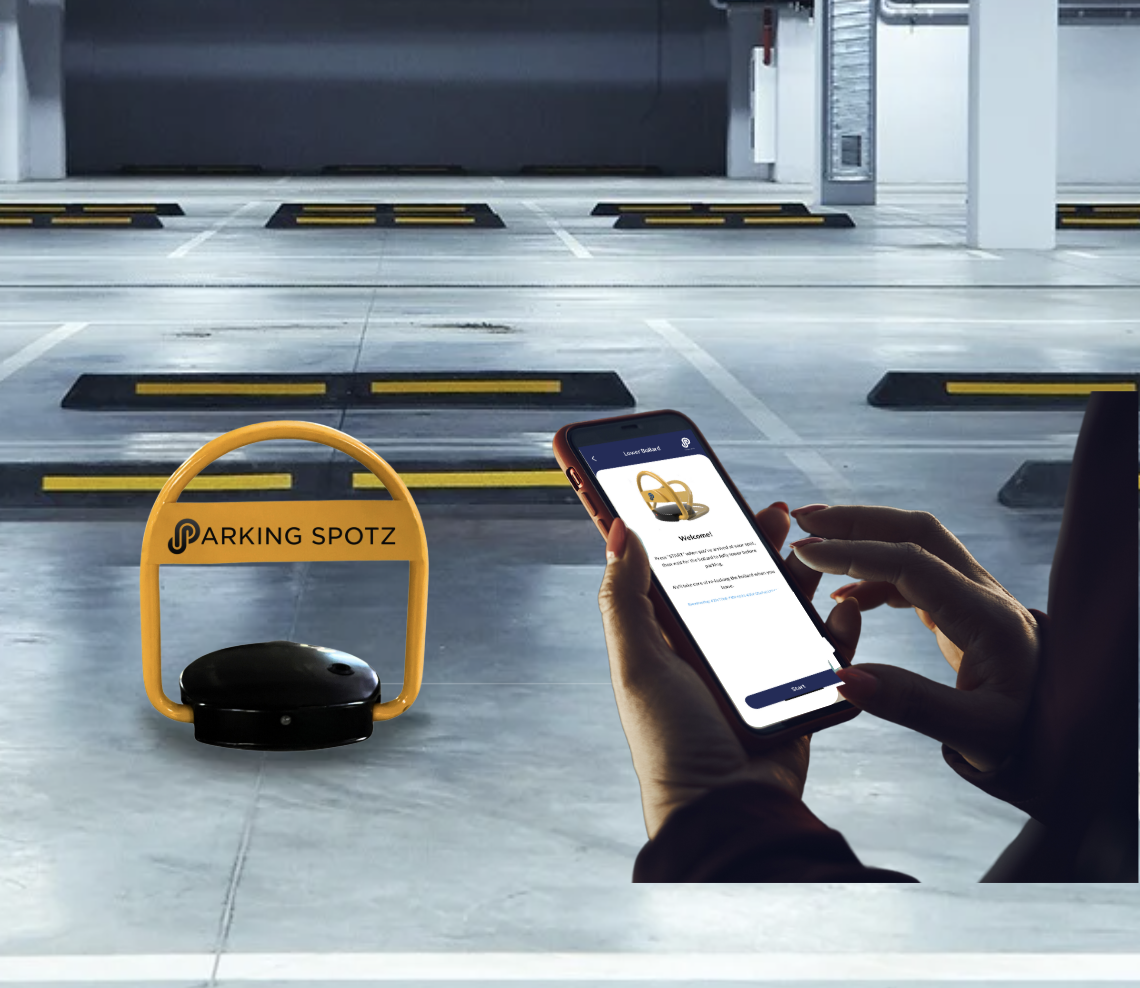
Platforms such as Parking Spotz are designed to make parking infrastructure more intuitive by giving drivers and building managers clearer signals about how spaces should be used.
Instead of guessing whether a space is available, drivers receive certainty. Instead of disputes over reserved bays, intelligent parking bollards and parking tech systems make access clear and predictable.
The goal is simple: reduce uncertainty and make parking environments easier for humans to interpret.
This is particularly important in underground environments where traditional connectivity solutions often fail. Parking Spotz technology has been specifically designed to operate in basement environments where mobile coverage is limited, allowing infrastructure to communicate clearly even in challenging conditions.
You can explore more about the underlying technology behind these systems here.
Human-Centred Infrastructure in Smart Cities
As cities invest heavily in smart cities initiatives, the conversation often focuses on sensors, software and data.
But technology alone isn’t enough.
The real opportunity lies in designing infrastructure that communicates clearly with the people using it.
Glow-in-the-dark road lines do this using light.
Smart parking systems do it by signalling availability, access and certainty.
In both cases, the infrastructure becomes easier to read and easier to navigate.
This is particularly valuable in commercial environments such as office towers, residential developments, hospitals and retail precincts, where parking management directly affects customer experience.
A Simple Idea with a Big Lesson
Glow-in-the-dark road lines might appear to be a small innovation.
But they highlight a powerful lesson for infrastructure design.
The most effective infrastructure doesn’t force people to think harder.
It makes the right decision instinctive.
As cities continue to evolve through smart parking, intelligent mobility systems and urban innovation, the ability to create environments that are easy for humans to interpret will become increasingly important.
Because sometimes the smartest infrastructure isn’t the most complex.
It’s the infrastructure that simply makes the world easier to navigate.
At Parking Spotz, this philosophy shaped our engineering direction from the outset.
Building on the hardware foundation developed through thatsMYspot, we focus on solving connectivity in challenging underground environments to make it easy to navigate underground parking. Enhancing the driver journey, making it easier for drivers to interpret.
The objective is to make human-centred design be simple and seamless in challenging underground environments.
Seamless, human-centric parking solutions.
Frequently Asked Questions: Glow-in-the-Dark Roads
How do glow-in-the-dark road lines work?
Glow-in-the-dark road markings use photoluminescent pigments, typically minerals such as strontium aluminate. These materials absorb sunlight during the day and store the energy within their crystal structure. After dark, the stored energy is slowly released as visible light through a process called phosphorescence, allowing the road lines to glow for several hours without electricity.
How long do glow-in-the-dark road markings stay visible?
Modern photoluminescent pigments can glow for six to ten hours after charging in daylight. The brightness gradually fades overnight, but the markings remain visible long enough to improve night-time road visibility in areas without street lighting.
Where have glow-in-the-dark roads been tested?
In Australia, trials have been conducted on Bulli Pass in New South Wales, a winding mountain road south of Sydney. Earlier trials have also taken place on regional roads in Victoria. Similar photoluminescent road technologies have been tested internationally in Europe and Japan as part of smart infrastructure initiatives.
Do glow-in-the-dark roads improve safety?
Early results suggest they can. The Bulli Pass trial reported a 67% reduction in night-time near-miss incidents, demonstrating that improved visibility can significantly enhance driver awareness and reaction time on dark roads.
Why are glow-in-the-dark roads considered smart infrastructure?
Glow-roads improve safety without requiring electricity, new lighting systems or major road upgrades. By making road layouts easier for drivers to interpret at night, they represent a form of human-centred infrastructure design that enhances safety through clearer visual communication.
What does this have to do with smart parking?
Both glow-roads and smart parking systems aim to reduce cognitive load for drivers. Glow lines make roads easier to read at night, while smart parking technology provides clear signals about parking availability and access. Platforms such as Parking Spotz use intelligent parking infrastructure and parking bollards to reduce uncertainty in parking environments, particularly in underground basements where navigation and connectivity can be challenging.
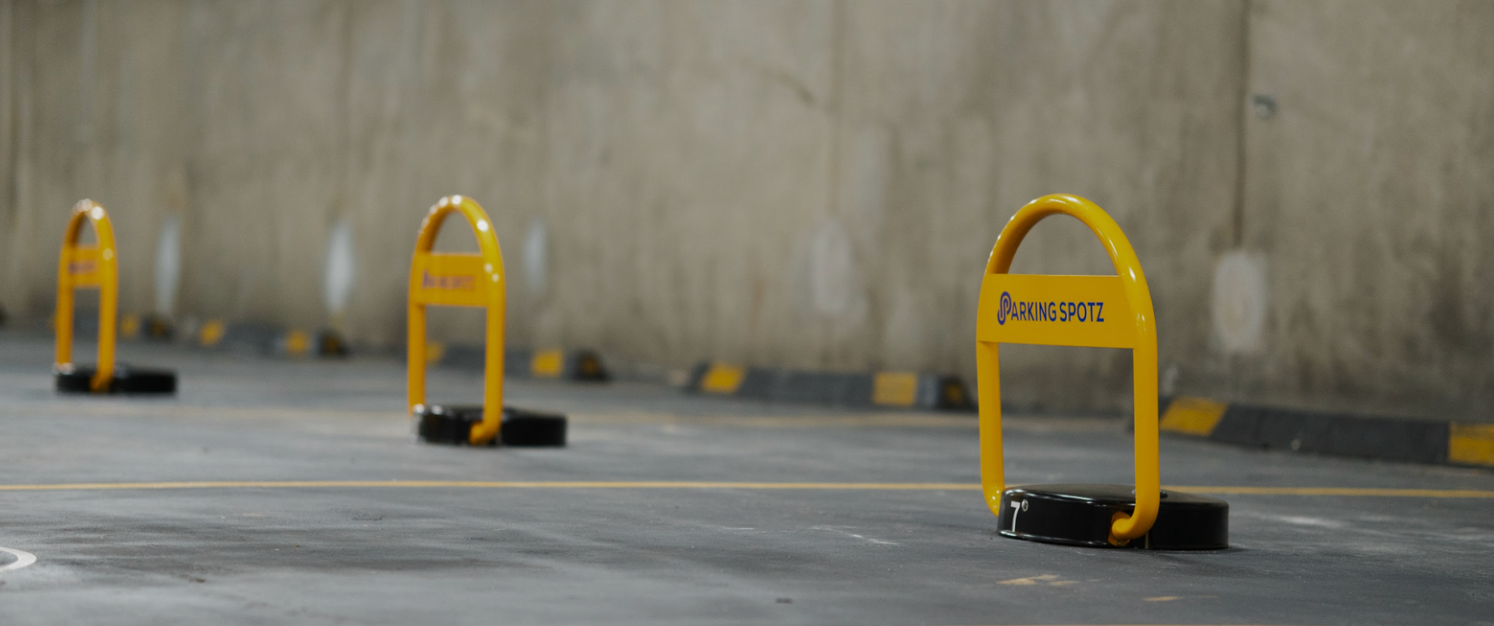
Parking Spotz reduces driver cognitive load by securing and navigating drivers directly to their designated parking spot
Angelique’s Insight: Infrastructure Should Communicate
One of the lessons from the glow-road trials is that infrastructure works best when it communicates clearly with the people using it.
Drivers don’t navigate cities the way engineers design them. They respond to visual cues, signals and certainty in their environment.
Glow-in-the-dark road markings make the road easier to interpret at night.
Smart parking systems do something very similar — they reduce uncertainty about where drivers can park and who has access to each space.
At Parking Spotz, we design parking technology around that same principle: making infrastructure easier for humans to understand and navigate, particularly in complex environments such as underground basements where connectivity and visibility are often limited.
Sometimes the most powerful innovations aren’t the most complex.
They’re the ones that make the right decision instantly obvious.
— Angelique Mentis, Founder, Parking Spotz