Smart EV Charging Management
How to Stop ICEing, Guarantee your EV Charging Spot and Automate EV Bay Access
With war in the Middle East, fuel prices continue to rise, fuel supply is uncertain. Across Australia and globally, drivers are switching to electric vehicles faster than ever before.
But the moment someone decides to buy an EV, a new set of questions replaces the old ones at the petrol pump.
Where do I charge my EV? Will an EV charging bay be free when I need it? What if someone blocks my EV charging spot? And how do charge my EV in a residential apartment building with shared parking? Parking Spotz solves this by combining physical access control with automated EV charging rules, ensuring EV bays work as intended.
Smart EV charging management is the software, access control and automation layer that sits around an EV charger - controlling who can access it, when, for how long, and at what cost.
Fuel Volatility is Accelerating EV Adoption
The International Energy Agency's Global EV Outlook 2025 reported that global EV sales exceeded 17 million in 2024, surpassing 20% of all new car sales worldwide. In Australia, the Electric Vehicle Council recorded a record 156,753 EVs sold in 2025, a 38% rise on the prior year, with EVs now representing 13.1% of all new car sales and tracking sharply upward
For years, EV adoption was framed as an environmental choice. Lower emissions. Cleaner cities. Reduced carbon footprint. Those benefits still matter. But the conversation has shifted decisively.
Geopolitical instability pushes fuel prices higher — and drivers feel that cost every week at the pump. Businesses feel it in operating costs and forecasting uncertainty. Fleet operators feel it in margins that keep tightening.
EVs now offer something petrol can no longer reliably provide: cost predictability. Electricity pricing is more stable than fuel markets. EV charging sessions can be scheduled and optimised. Energy can even be sourced or generated on-site through solar.
The economic case for EVs is no longer secondary to the environmental case. For most drivers today, it is the primary case. And as that shift accelerates, the infrastructure supporting EV charging becomes the next critical problem to solve.
The Real Problem: Certainty of EV Charging Access
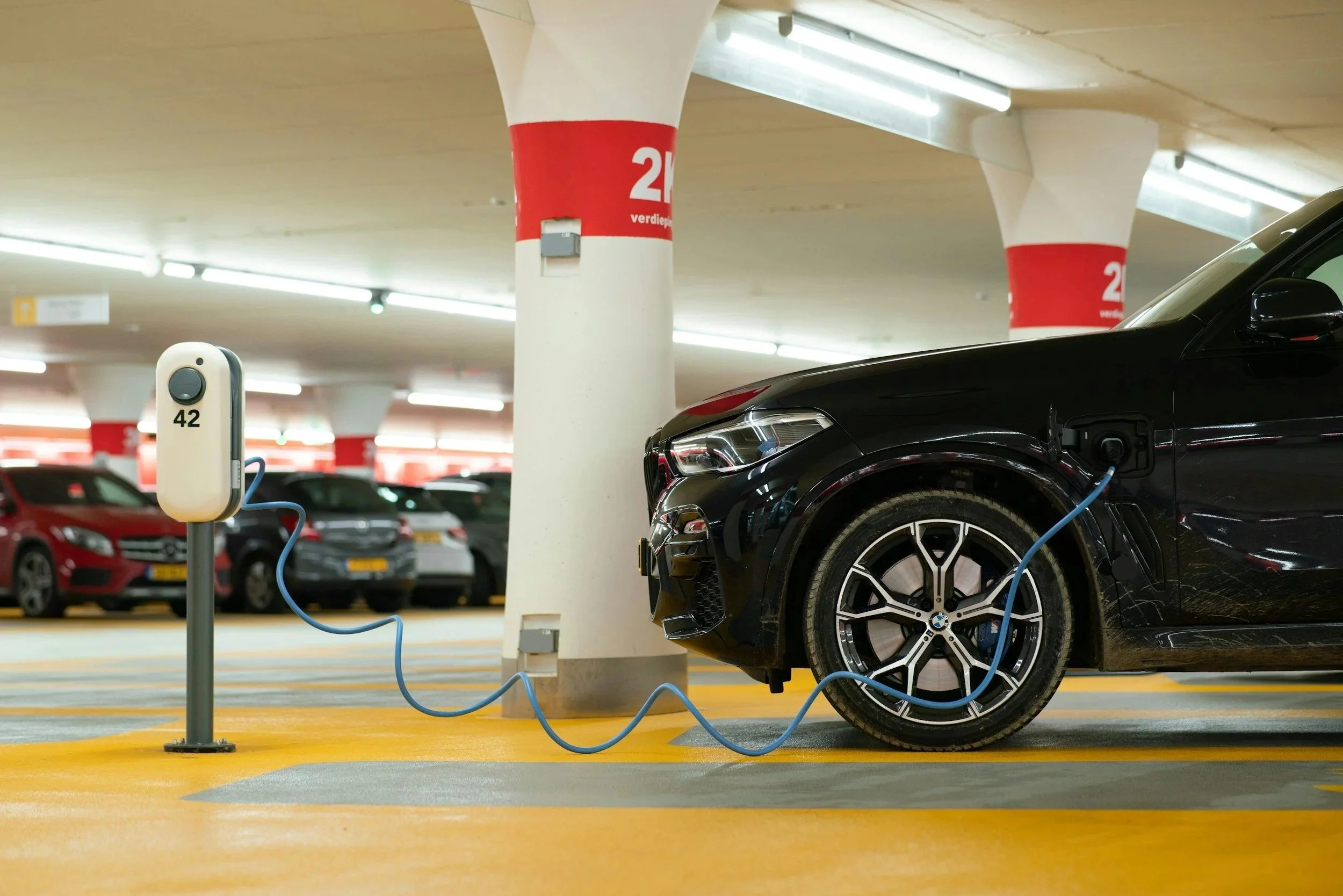
Buildings are installing EV chargers. Developers are ticking the EV-ready box. But in shared environments — apartment buildings, commercial offices, mixed-use sites — an EV charger on the wall doesn't guarantee a driver can use it when they need it.
The real problems show up in the car park, not in the planning documents.
• Non-EV vehicles park in EV charging bays and block access — this is ICEing
• EV drivers finish their EV charging session but leave their vehicle in the bay for hours — this is hogging
• Multiple residents compete for a small number of shared EV chargers with no booking system
• Access to EV charging bays is first-come, first-served, with no way to plan ahead
• Building managers have no visibility, no enforcement tools, and no audit trail
Every one of these problems erodes driver confidence in EV infrastructure. And when EV drivers can't rely on EV charging bay availability, it slows EV adoption — even among people who have already decided to make the switch.
An EV charger is only effective when an EV driver can physically access the EV charging bay. In shared buildings, that access is not guaranteed — and most EV charging infrastructure has no mechanism to ensure it.
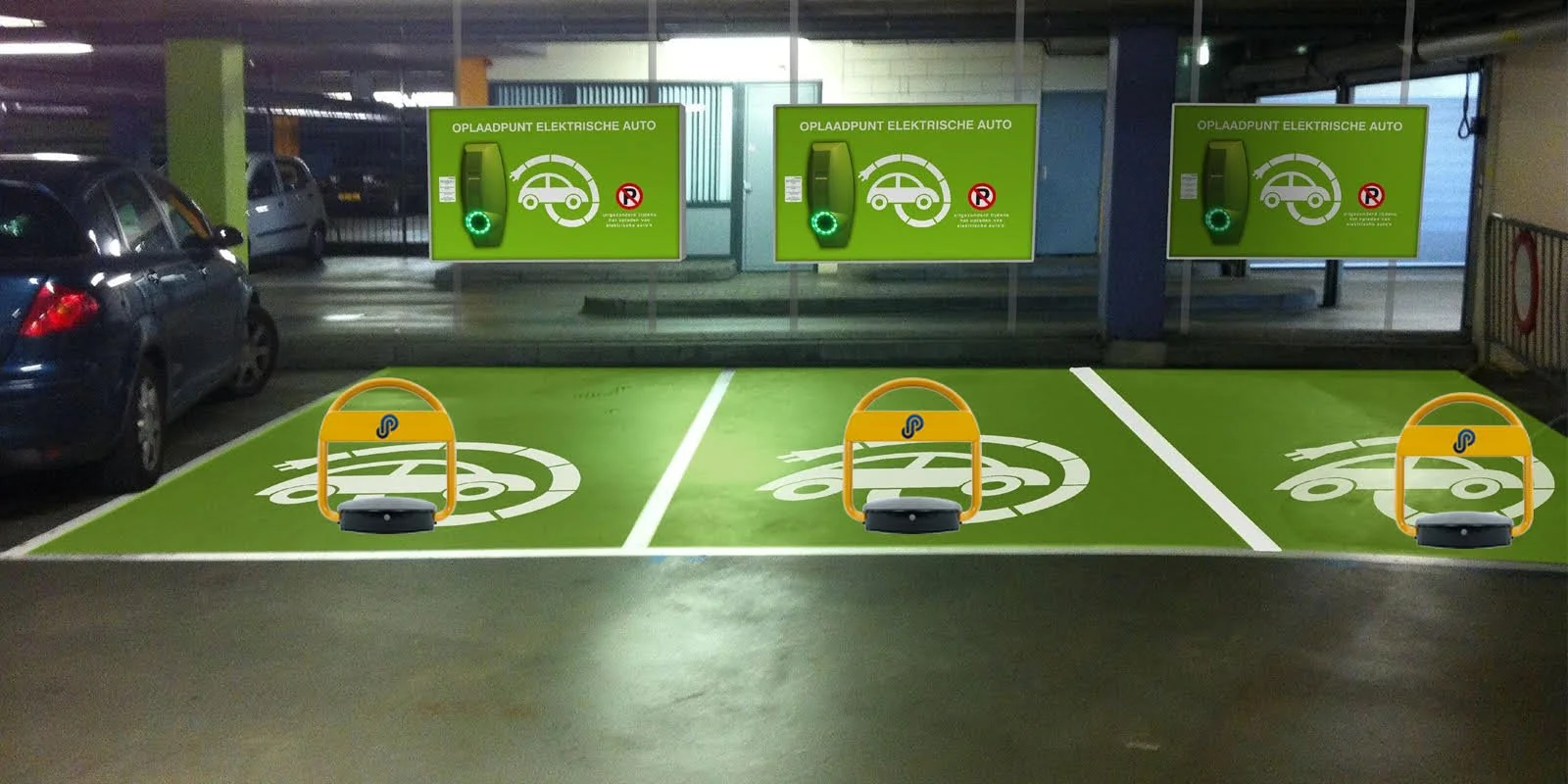
Parking Spotz smart parking bollards to ensure certainty and fair access to EV charging bays
What Is ICEing — and Why Does It Undermine EV Charging Infrastructure?
ICEing is one of the most common and most damaging problems EV drivers face in shared car parks across Australia.
Signage doesn't reliably stop ICEing. Polite notices don't stop ICEing. Only physical access control stops ICEing — and most buildings don't have that in place.
The consequences go further than inconvenience. Unlike running low on petrol, an EV driver who is low on charge and finds their EV charging bay blocked has no fallback. They cannot simply drive to the next EV charger if they don't have enough range to get there. That's real range anxiety — not theoretical.
When ICEing happens regularly at a building, EV drivers lose trust in the EV charging infrastructure entirely. They plan around it. They park elsewhere. They question whether owning an EV in a shared building is worth the ongoing frustration.
For building managers, ICEing creates disputes, complaints and reputational risk. For property developers, it undermines the EV-ready credentials of a building before the first resident has moved in.
Solving ICEing is not technically complex. But it requires a deliberate physical solution — not a sign on the wall.
ICEing is when an Internal Combustion Engine (ICE) vehicle — petrol or diesel — parks in a designated EV charging bay, blocking EV drivers from accessing the EV charger. The term comes from ICE: Internal Combustion Engine.
EV Charging in Apartment Buildings: Why Shared Access Is Hard
EV charging in apartment buildings is more complex than a standalone home EV charger or a public fast EV charger.
Shared infrastructure means shared problems. A single basement car park might house dozens of residents, visitors and staff — all with different access rights, different EV charging needs and different expectations about fairness.
Without an EV charging management system, the friction compounds quickly.
• Who gets priority access when demand for EV charging exceeds EV charger supply?
• How do residents book an EV charging session without calling the building manager?
• How does the body corporate recover electricity costs fairly across all EV charging users?
• How does the building enforce EV charging time limits and prevent EV bay hogging?
• How does the facilities manager resolve a dispute when there is no record of who used which EV charger and when?
Installing an EV charger answers one question. Managing EV charging access, fairness and cost recovery answers the questions that actually determine whether EV charging works for a building long-term.
Property managers and strata bodies that get EV charging management right create a genuine competitive advantage. Buildings that ignore it face growing operational headaches as EV adoption in their precinct accelerates.
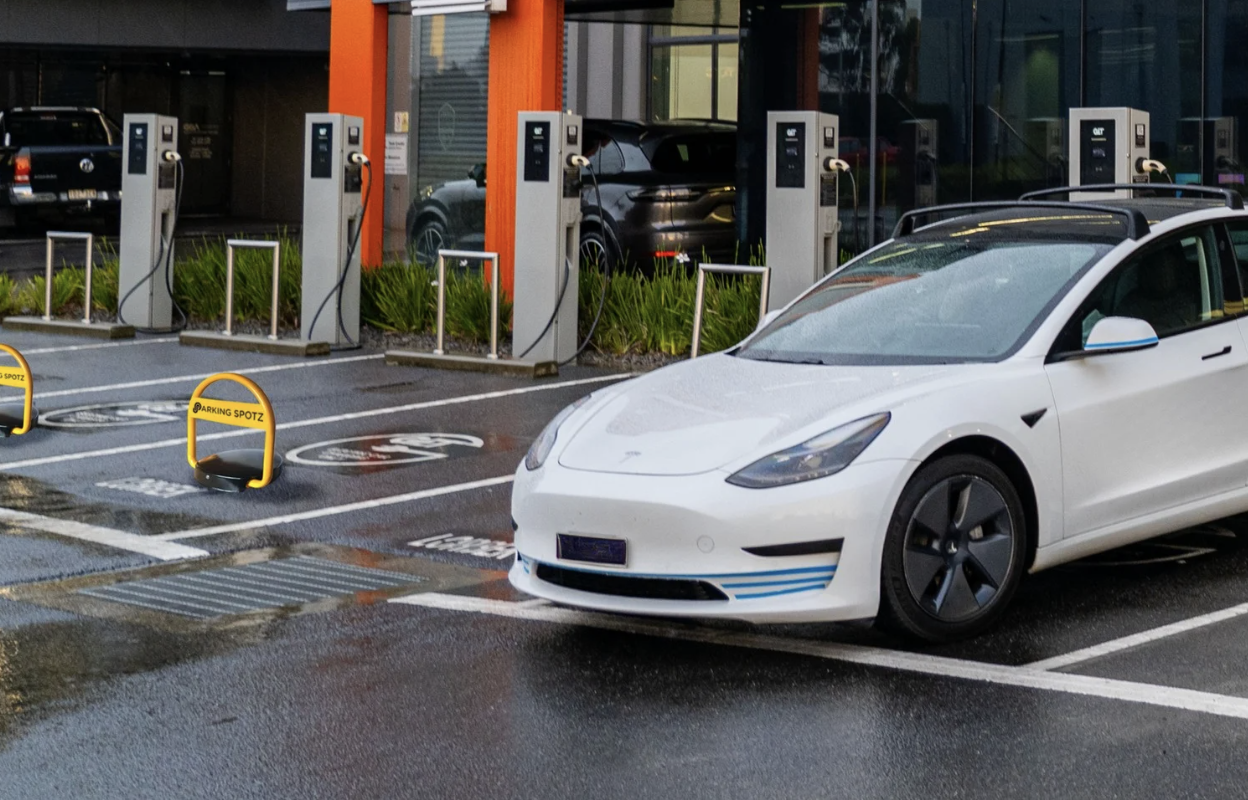
What Smart EV Charging Actually Means
A smart EV charging management solution handles the full lifecycle of an EV charging session:
• A driver books an EV charging session in advance through a self-service app — no phone calls, no manual processes
• A smart bollard physically secures the EV charging bay — preventing access until the booking window is active
• The bollard lowers automatically when the driver arrives at their booked time
• The driver charges their EV, receives notifications as the EV charging session nears expiry, and departs
• The bollard automatically re-locks when the EV charging session ends — preventing overstays or ICEing of the bay
• The building manager sees real-time EV charging bay occupancy, access logs and usage data in a cloud dashboard
• EV charging costs are allocated automatically by user type, tenancy or time-based tariff
This is what automating EV charging looks like in practice. The system enforces the rules. The EV driver gets a reliable, frictionless experience. The building manager gets full control without the workload.
Smart EV charging is not a faster EV charger or a different plug type. It is the management layer that surrounds the EV charger — automating access, enforcing time rules, recovering costs and providing data — so EV charging infrastructure works reliably without constant human oversight.
How Parking Spotz Solves EV Charging Access
Parking Spotz is a complete smart parking and EV charging management platform, purpose-built for shared buildings: apartments, commercial offices, mixed-use sites, strata complexes and asset portfolios.
It combines physical access control with cloud automation — managing EV charging bays the same way it manages every other bay in your car park. Integrated. Consistent. Fully automated.
Smart Bollards: Physical Protection for EV Charging Bays
Parking Spotz uses high-durability, surface-mounted smart bollards to physically protect each EV charging bay.
The bollard raises to block the EV charging bay. No authorisation means no access. The system doesn't rely on goodwill, signage or manual enforcement — the physical barrier does the work.
The bollards are built for Australian conditions — weather, wear and basement environments. Installation requires no trenching, no core drilling and no connection to mains power or Wi-Fi. Buildings deploy quickly without disrupting operations or requiring major capital works.
This is how you stop ICEing. Not with a sign on the wall. With a bollard that won't move unless you have a valid EV charging booking.
Parking Spotz smart bollards physically block an EV charging bay. Only a driver with an active, authorised booking in the Parking Spotz app can lower the bollard and access the EV charger.
Parking Spotz App: Frictionless EV Charging Reservations
EV drivers book their EV charging session through the Parking Spotz app — available on mobile or via web portal. The EV charging booking process is simple, self-service and takes seconds.
Drivers select an EV charging time slot, confirm their booking, and arrive to find the bollard lowered automatically. No calling reception. No finding a building manager. No guessing whether an EV charging bay will be free.
The app sends automatic reminders as the EV charging session approaches expiry. When the EV charging session ends, the bollard re-locks. The driver departs. The EV charging bay is immediately available for the next booking.
For property managers, that frictionless driver experience translates directly into fewer complaints and less manual intervention.
Cloud Automation: EV Charging Rules that Run Themselves
Parking Spotz runs on a cloud automation engine that gives building managers complete visibility and control over EV charging — without requiring them to actively manage each interaction.
Through the Admin Portal, managers configure the rules that govern their EV charging bays: time limits, grace periods, idle fees, access rights by user type, and tariff structures. The platform then enforces those EV charging rules automatically, 24 hours a day.
Managers receive real-time notifications for EV charging bay overstays or infringements. Every booking, access event and enforcement action is logged with a timestamped audit trail — making disputes straightforward to resolve and compliance reporting simple to produce.
The cloud engine also supports API integration with building management systems, tenancy platforms and billing systems — so Parking Spotz fits into existing operational workflows rather than replacing them.
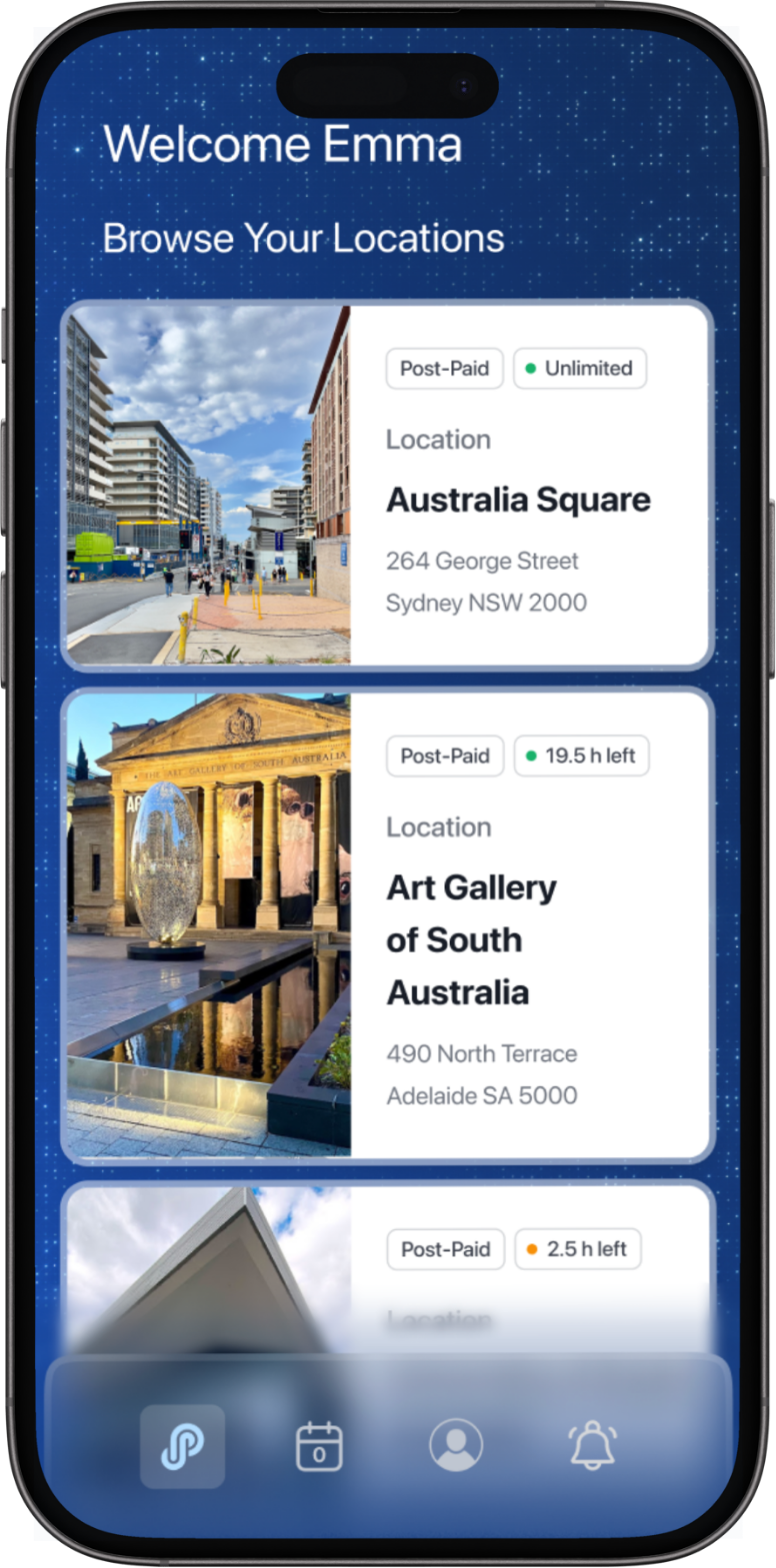
Book an EV Charging Bay with the Parking Spotz App
A Dedicated Communications Layer for Basement EV Charging
Most smart parking systems assume strong Wi-Fi or mobile coverage. Basement car parks — where most EV charging in apartments and commercial buildings actually happens — frequently have neither.
No new Wi-Fi infrastructure required. No mobile signal needed at the EV charging bollard. The Parking Spotz system works reliably in the environments where EV charging access control matters most.
Parking Spotz uses a proprietary wireless communications gateway that uploads encrypted EV charging data to the cloud in real time from underground basement car parks — where standard Wi-Fi and mobile coverage typically fail.
Fair EV Charging and Transparent Cost Recovery
EV charging costs should not disappear into a building's operating budget, shared across residents who never use the EV charger.
Parking Spotz integrates with EV charging platforms and Charge Point Operators (CPOs) to align EV charging access, bookings and metered sessions. Electricity costs are allocated directly to the user who consumed them — automatically.
Building managers configure EV charging tariffs by time, duration, user type (resident, visitor, staff) or tenancy. EV drivers see transparent EV charging pricing before they book. Costs appear in the Admin Portal in real time and can be exported for billing or reporting.
Fair EV charging is not just an equity issue. It's a governance issue — and Parking Spotz makes it automatic.
Parking Spotz allocates EV charging electricity costs directly to the driver who consumed them - automatically, by user type, tenancy or time-based tariff - eliminating the need for manual reconciliation.
EV Charging Data to Plan Ahead, Not Just Manage Today
As EV adoption grows in your building, demand for EV charging will grow with it. The buildings that plan ahead will manage that transition smoothly. Those that don't will retrofit under pressure.
Parking Spotz captures EV charging bay utilisation data, dwell times, EV charging session frequency and demand patterns across every bay. Operators use this data to understand when and where additional EV chargers are needed — and to make that case to owners, developers or strata committees with real evidence rather than guesswork.
The platform is designed to scale. As EV charging demand grows, additional bollards and EV charging bays integrate into the same system without disruption.
Manage your EV Charging Access with Ease
What Property and Facilities Managers Need to Know Now
If you manage a residential building, strata complex, commercial site or mixed-use property, EV charging is no longer optional infrastructure.
Tenants and residents expect EV charging access. Developers increasingly specify EV charging in new builds. Councils and green building standards are beginning to require EV charging infrastructure. And as EV adoption accelerates, demand for EV charging in your car park will grow — whether you plan for it or not.
The question is not whether to provide EV charging. It is whether you can manage EV charging well enough that it becomes an asset rather than a liability.
Without smart EV charging management, even well-intentioned EV charging infrastructure creates problems:
• Resident and tenant disputes over EV charging bay access and fairness
• ICEing complaints with no physical enforcement mechanism
• EV charging electricity cost recovery gaps absorbed into building operating budgets
• Building managers spending time manually policing EV charging bays
• No audit trail when EV charging disputes escalate
With Parking Spotz, those problems are handled by the system. The platform was built by people who understand shared-building car park management — the operational realities, the governance requirements and the constraints of basement environments that most smart EV charging solutions aren't designed for.
Buildings that implement smart EV charging management now are better positioned for the wave of EV adoption already underway. They attract EV-owning tenants, reduce management overhead, recover EV charging costs fairly and demonstrate responsible infrastructure governance.
EV charging is no longer optional infrastructure in Australian residential and commercial buildings. Tenants expect it, developers specify it, and green building standards are beginning to require it.
Frequently Asked Questions About Smart EV Charging
How do I charge my EV in an apartment building?
Parking Spotz enables bookable, managed EV charging in apartment buildings. Residents book an EV charging session through the Parking Spotz app, access is controlled by a smart bollard that physically secures the EV charging bay, and electricity costs are recovered automatically. Building managers configure the EV charging rules. The system runs itself.
How do I guarantee my EV charging spot will be available?
You book an EV charging session in advance through the Parking Spotz app. A smart bollard physically secures your EV charging bay for your booking window. No other vehicle can enter the bay without authorisation — so your EV charging spot is guaranteed when you arrive.
What actually stops ICEing in an EV charging bay?
Physical access control stops ICEing — not signage. Parking Spotz bollards physically block any vehicle without an active EV charging booking from entering the bay. The moment an EV charging session ends, the bollard re-locks automatically, preventing any vehicle from taking the bay without a new booking.
Can multiple residents fairly share one EV charger?
Yes. Parking Spotz manages shared EV charging access across multiple users with configurable EV charging booking windows, usage limits and cost recovery rules. Every user pays for the EV charging they consume. Building managers control the allocation logic and can see every EV charging session in the Admin Portal.
Does smart EV charging management require major building works?
No. Parking Spotz uses surface-mounted bollards with no trenching, no hardwired power and no new Wi-Fi infrastructure. Buildings deploy smart EV charging management quickly — including in existing basement car parks — and scale as EV charging demand grows.
How does Parking Spotz handle EV charging cost recovery?
Parking Spotz integrates with EV charging platforms and CPOs to align EV charging access and metered sessions. EV charging tariffs are configured by user type, time or tenancy. EV charging costs are allocated directly to the driver — automatically, transparently and without manual reconciliation.
Ready to Solve EV Charging Management in Your Building
Parking Spotz works with property managers, strata managers, facilities teams and property developers across Australia.
If you're dealing with ICEing, EV charging access disputes, EV charging cost recovery headaches or pressure to get EV charging infrastructure right — we can show you exactly how the platform solves it.
Book a call or demo below. We'll walk you through the smart EV charging solution for your specific building.